

Irregular Heart Beat Treatment: Restoring Your Heart’s Rhythm
An irregular heart beat, medically known as arrhythmia, is a condition where the heart beats too fast (tachycardia), too slow (bradycardia), or with an erratic rhythm. While some arrhythmias are harmless, others can be life-threatening, making timely Irregular Heart Beat Treatment a critical part of cardiac care. A cardiologist, or heart specialist, is a cardiovascular medicine doctor who specializes in diagnosing and managing these electrical problems to restore the heart’s normal function.
ABOUT DR. SACHIN PATIL
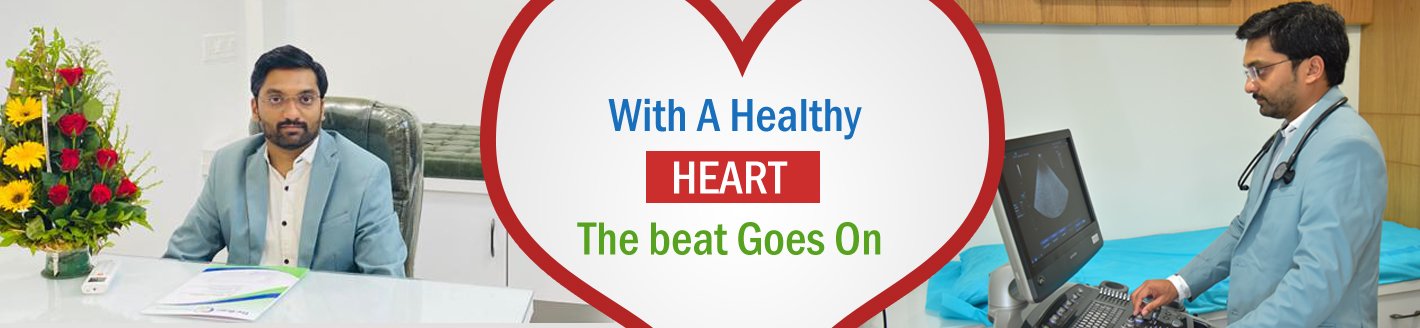
Dr Sachin Patil is a renowned senior consultant & Interventional Cardiologist practising in the city of Nagpur, Maharashtra. He has experience of more than 15 years in the medical field. He has performed more than 10,000 + coronary angiography and more than 5000 + coronary angioplasty, 2000+ Pacemaker, 1000+ Mitral Vavotomy & Balloon Repairs. He is known for his precision, patient-first approach, and extensive expertise in a wide range of interventional cardiac procedures. His extensive hands-on experience in interventional procedures has made him a trusted name in the management of complex cardiac conditions. Dr. Sachin Patil continues to be at the forefront of cardiology, committed to delivering advanced, patient-centric care.
NOVA HEART HOSPITAL
Nova Heart Hospital is a leading super-specialty cardiac care center located in Nagpur, Maharashtra, dedicated to providing comprehensive, high-quality heart care under one roof. With a patient-first philosophy, cutting-edge technology, and a team of highly experienced cardiologists and cardiac surgeons, Nova Heart Hospital has earned a reputation as one of the region’s most trusted names in cardiovascular healthcare.
Symptoms and Causes of an Irregular Heart Beat
The symptoms of an irregular heart beat can vary widely depending on the type and severity. A cardiology consultation is highly recommended if you experience:
- Palpitations: A sensation of a fluttering, pounding, or racing heart.
- Dizziness or Fainting spells.
- Shortness of Breath.
- Chest Pain or discomfort.
- Fatigue and weakness.
The causes of an irregular heart beat are often related to a disruption in the heart’s electrical system, which can be triggered by:
- Heart Damage: A prior heart attack or other heart disease can damage the electrical pathways.
- Underlying Conditions: Conditions like High Blood pressure Treatment, Diabetes Treatment, and Heart Failure Treatment can increase the risk of arrhythmias.
- Lifestyle Factors: Excessive alcohol, caffeine, or certain medications can trigger an irregular heartbeat.
- Congenital Defects: Some people are born with an abnormal heart structure that predisposes them to arrhythmias.
Procedures and Treatment for an Irregular Heart Beat
Irregular Heart Beat Treatment is a multifaceted approach that is highly personalized to each patient’s condition. A heart doctor will first use diagnostic tools like an Electrocardiogram (ECG/EKG) and a Stress testing to assess the type and severity of the arrhythmia.
- Lifestyle Changes and Medications:
- For many, managing risk factors like High Blood pressure Treatment and High Blood Cholesterol Treatment is the first step.
- Medications can be prescribed to control heart rate or rhythm, such as beta-blockers or calcium channel blockers.
- Advanced Procedures:
- Cardiac Catheterization: Procedures like radiofrequency catheter ablation, where a cardiologist uses a catheter to destroy the small area of heart tissue causing the irregular rhythm.
- Pacemaker Implantation: For slow heart beats, a pacemaker can be implanted to regulate the heart’s rhythm.
- ICD Implantation: For life-threatening fast rhythms, an implantable cardioverter-defibrillator (ICD) can be implanted to deliver a life-saving shock.
These treatments aim to prevent serious complications and improve the patient’s overall quality of life.
FAQs on Irregular Heart Beat Treatment
Q1: How serious is an irregular heart beat?
A1: The seriousness of an irregular heart beat depends on its type. Some are harmless, while others can be life-threatening and require immediate Emergency heart care. A heart check-up specialist can determine the severity and the need for heart disease treatment.
Q2: What is the difference between a Pacemaker and an ICD for arrhythmia?
A2: A pacemaker is used for slow heart rhythms, while an ICD is used for dangerously fast rhythms. An ICD can also function as a pacemaker.
Q3: Can lifestyle changes cure my arrhythmia?
A3: Lifestyle changes can help manage and reduce the frequency of some arrhythmias, especially those triggered by caffeine or stress. However, many types require medical intervention.
Q4: Can an Online cardiologist consultation help with an irregular heart beat?
A4: An online cardiologist consultation can be a great starting point to discuss symptoms. However, a definitive diagnosis and treatment plan will require in-person tests and a visit to a Cardiology Clinic or a Best Heart Hospital.
Q5: What is the most common procedure for arrhythmia?
A5: For a very common type of arrhythmia called atrial fibrillation, a procedure called catheter ablation is often performed to correct the heart’s rhythm.
Dr. Sachin Patil: A Senior Consultant & Interventional Cardiologist in Nagpur
For residents of Nagpur, Dr. Sachin Patil, a top heart doctor with MBBS, MD (Medicine), and DM (Cardiology) qualifications, is an expert in advanced cardiac care. As a highly skilled senior consultant & interventional cardiologist, he provides comprehensive cardiology consultation and is adept at managing complex conditions, including arrhythmias. Dr. Patil specializes in a range of interventional procedures such as Pacemaker Implantation and ICD Implantation, ensuring his patients receive accessible and affordable heart care of the highest quality.