

Cardiac Catheterization: A Key Diagnostic and Interventional Tool in Cardiac Care
Cardiac catheterization is a vital procedure in modern cardiology that provides a heart doctor with a detailed look inside the heart and its blood vessels. It is a minimally invasive technique used for both diagnosis and heart disease treatment. By threading a thin, flexible tube called a catheter into a major blood vessel and guiding it to the heart, a cardiologist can perform various assessments and interventions, making it a cornerstone of advanced cardiac care.
ABOUT DR. SACHIN PATIL
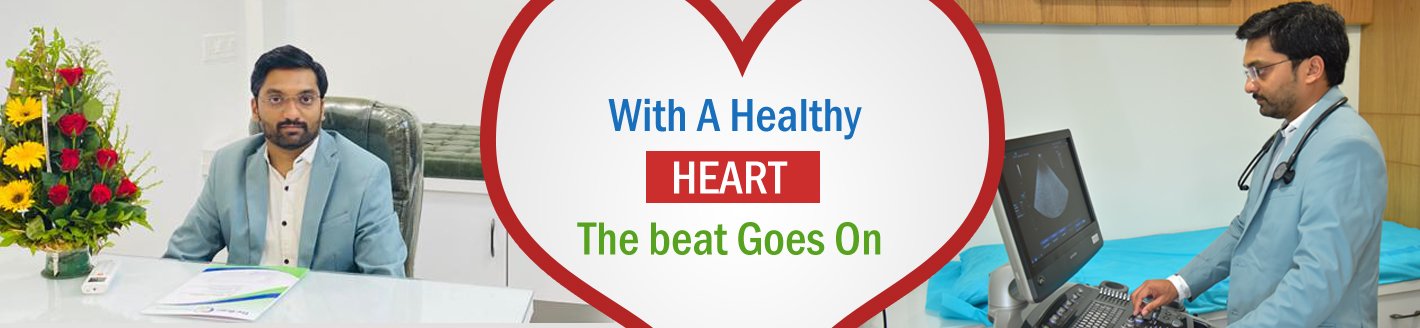
Dr Sachin Patil is a renowned senior consultant & Interventional Cardiologist practising in the city of Nagpur, Maharashtra. He has experience of more than 15 years in the medical field. He has performed more than 10,000 + coronary angiography and more than 5000 + coronary angioplasty, 2000+ Pacemaker, 1000+ Mitral Vavotomy & Balloon Repairs. He is known for his precision, patient-first approach, and extensive expertise in a wide range of interventional cardiac procedures. His extensive hands-on experience in interventional procedures has made him a trusted name in the management of complex cardiac conditions. Dr. Sachin Patil continues to be at the forefront of cardiology, committed to delivering advanced, patient-centric care.
NOVA HEART HOSPITAL
Nova Heart Hospital is a leading super-specialty cardiac care center located in Nagpur, Maharashtra, dedicated to providing comprehensive, high-quality heart care under one roof. With a patient-first philosophy, cutting-edge technology, and a team of highly experienced cardiologists and cardiac surgeons, Nova Heart Hospital has earned a reputation as one of the region’s most trusted names in cardiovascular healthcare.
Symptoms and Conditions for Cardiac Catheterization
A cardiac catheterization is typically recommended during a cardiology consultation when a heart specialist suspects a problem that can’t be diagnosed with non-invasive tests alone. The procedure helps a cardiovascular medicine doctor evaluate the cause of symptoms such as:
- Chest Pain or discomfort
- Shortness of Breath
- Irregular heart beat or palpitations
- Pain or Numbness in Both Arms Treatment
It is a primary diagnostic and therapeutic tool for conditions including:
- Coronary Artery Disease: It is the gold standard for detecting blockages in the arteries.
- Heart Valve Disease Treatment: It can assess the function and pressure of the heart valves.
- Congenital Heart Defects: It can be used to diagnose and treat structural abnormalities.
- Heart Failure Treatment: It helps in identifying the cause of reduced pumping function.
The Cardiac Catheterization Procedure
Cardiac catheterization is performed in a Cardiology Clinic or a Best Heart Hospital under local anesthesia and light sedation.
- Preparation: The procedure begins with the patient lying on an examination table. The insertion site, usually in the groin or wrist, is numbed.
- Catheter Insertion: A small incision is made, and a thin tube (the catheter) is inserted into a major blood vessel.
- Guidance: Using real-time X-ray imaging, known as Angiography, the heart doctor skillfully guides the catheter to the heart.
- Diagnostic Phase: A dye is injected through the catheter, making the arteries visible on the X-ray, revealing any blockages. The doctor can also measure pressures and oxygen levels in different parts of the heart.
- Interventional Phase: If a blockage is found, the cardiologist can proceed directly to Angioplasty
, where a balloon is inflated to open the artery, often followed by the placement of a stent. The procedure is also used for procedures like Pacemaker Implantation or closing heart defects.
This single procedure offers a pathway from diagnosis to immediate heart disease treatment, particularly for a heart attack treatment.
FAQs on Cardiac Catheterization
Q1: Is Cardiac catheterization a painful procedure?
A1: The procedure is generally not painful. You may feel some pressure at the insertion site, but the light sedation and local anesthesia ensure you are comfortable.
Q2: What is the difference between a diagnostic cath and an interventional cath?
A2: A diagnostic cath is used solely to find out what is wrong with the heart. An interventional cath, on the other hand, is a treatment that is performed during or after the diagnostic phase, such as an Angioplasty to open a blockage.
Q3: Can an Online cardiologist consultation recommend a Cardiac catheterization?
A3: An online cardiologist consultation can be used to discuss symptoms, but a heart doctor will recommend an in-person visit to a Cardiology Clinic for a physical exam and to determine if a cardiac catheterization is necessary.
Q4: How long is the recovery from this procedure?
A4: Recovery is very quick. Most patients can walk within a few hours and are discharged the same day or the next. The quick recovery time is a significant advantage over open-heart surgery.
Q5: What is the relationship between Cardiac catheterization and other heart tests like Echocardiogram and Stress testing?
A5: Echocardiogram and Stress testing are non-invasive tools used as the first step in diagnosis. If these tests suggest a serious problem, cardiac catheterization is then used as a definitive diagnostic test or a direct heart attack treatment.
Dr. Sachin Patil: A Senior Consultant & Interventional Cardiologist in Nagpur
For residents of Nagpur, Dr. Sachin Patil, a top heart doctor with MBBS, MD (Medicine), and DM (Cardiology) qualifications, is a highly respected senior consultant & interventional cardiologist. His extensive experience in cardiac catheterization and related procedures is central to his practice. Dr. Patil provides comprehensive cardiology consultation and is adept at managing complex cardiac issues, including those related to High Blood pressure Treatment and High Blood Cholesterol Treatment, with a commitment to providing accessible and affordable heart care of the highest quality.