
Device Closure: A Modern Solution for Congenital Heart Defects
Device Closure is a non-surgical, minimally invasive procedure used in cardiac care to correct certain congenital heart defects, such as an atrial septal defect (ASD) or a patent foramen ovale (PFO). These are holes in the walls between the heart’s chambers that can lead to abnormal blood flow. Instead of open-heart surgery, a cardiologist or heart specialist uses a catheter to implant a device that plugs the hole, effectively providing heart disease treatment with a much faster recovery time.
ABOUT DR. SACHIN PATIL
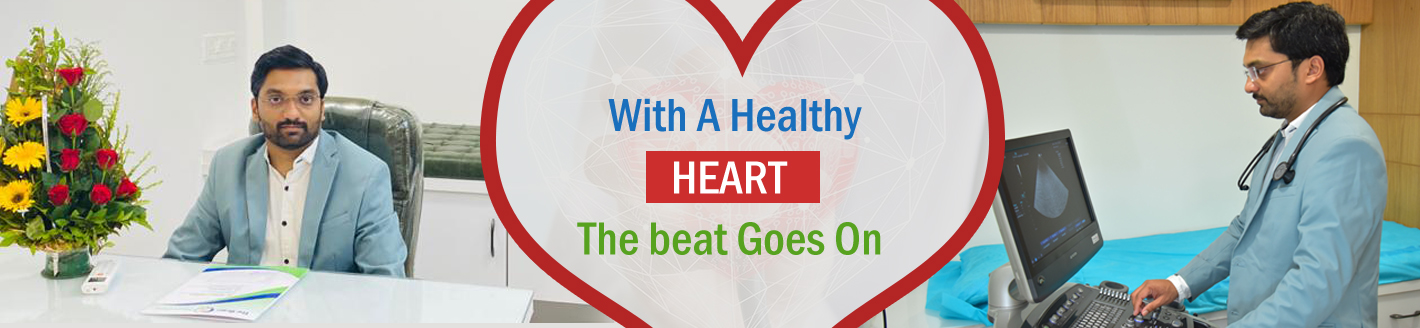
Dr Sachin Patil is a renowned senior consultant & Interventional Cardiologist practising in the city of Nagpur, Maharashtra. He has experience of more than 15 years in the medical field. He has performed more than 10,000 + coronary angiography and more than 5000 + coronary angioplasty, 2000+ Pacemaker, 1000+ Mitral Vavotomy & Balloon Repairs. He is known for his precision, patient-first approach, and extensive expertise in a wide range of interventional cardiac procedures. His extensive hands-on experience in interventional procedures has made him a trusted name in the management of complex cardiac conditions. Dr. Sachin Patil continues to be at the forefront of cardiology, committed to delivering advanced, patient-centric care.
NOVA HEART HOSPITAL
Nova Heart Hospital is a leading super-specialty cardiac care center located in Nagpur, Maharashtra, dedicated to providing comprehensive, high-quality heart care under one roof. With a patient-first philosophy, cutting-edge technology, and a team of highly experienced cardiologists and cardiac surgeons, Nova Heart Hospital has earned a reputation as one of the region’s most trusted names in cardiovascular healthcare.
Symptoms and Conditions for Device Closure
A cardiology consultation may be necessary if a heart doctor identifies a congenital heart defect. While some patients may have no symptoms, others might experience:
- Shortness of Breath
- Fatigue
- Palpitations or irregular heartbeats
- A stroke (in the case of PFO), as a blood clot can pass through the hole from the right side of the heart to the left and then to the brain.
These conditions are often diagnosed during a routine heart check-up specialist visit using tests like an Echocardiogram, which provides detailed images of the heart’s structure and blood flow.
Causes of Congenital Heart Defects
Congenital heart defects are structural problems present at birth. The exact causes are often unknown, but they can be linked to:
- Genetic Factors: A family history of heart defects can increase the risk.
- Environmental Factors: Exposure to certain viral infections or substances during pregnancy.
- Other Medical Conditions: The presence of a chromosomal abnormality can also be a cause.
- While not a direct cause, conditions like High Blood pressure Treatment and High Blood Cholesterol Treatment can complicate the patient’s overall cardiac care.
The Device Closure Procedure
Device Closure is a type of cardiac catheterization performed by a skilled cardiovascular medicine doctor in a Cardiology Clinic or a Best Heart Hospital.
- Preparation: A cardiologist makes a small incision in the groin and inserts a catheter into a major blood vessel.
- Navigation: Using real-time Angiography (X-ray imaging), the catheter is guided to the hole in the heart.
- Device Placement: A small, self-expanding device made of a mesh material is deployed through the catheter. The device’s two umbrella-like discs open to plug the hole.
- Confirmation: The heart specialist confirms the correct placement of the device and checks for any residual blood flow through the hole.
- Conclusion: Once the device is securely in place, the catheter is removed. The body’s own tissue will grow over the device, permanently sealing the hole.
This procedure offers a permanent solution and is an excellent example of modern, minimally invasive heart disease treatment.
FAQs on Device Closure
Q1: How long does the device closure procedure take?
A1: The procedure is generally quick, lasting about one to two hours. The patient is usually discharged from the Best Heart Hospital within 24 hours.
Q2: Is device closure a painful procedure?
A2: No. The procedure is performed under sedation and local anesthesia, so the patient will not feel any pain.
Q3: What is the recovery time after a device closure?
A3: Recovery is very fast. Most patients can return to normal activities within a few days, unlike the weeks-long recovery required for open-heart surgery.
Q4: Can I have an Online cardiologist consultation for a heart defect?
A4: An online cardiologist consultation can be a great way to discuss symptoms and get initial guidance. However, a definitive diagnosis and the procedure itself require an in-person visit to a Cardiology Clinic for tests like an Echocardiogram.
Q5: What is the success rate of a device closure?
A5: The success rate is very high, often over 95%. The procedure effectively closes the hole, preventing the complications associated with the defect.
Dr. Sachin Patil: A Senior Consultant & Interventional Cardiologist in Nagpur
For those in Nagpur seeking expert cardiac care, Dr. Sachin Patil, a top heart doctor with MBBS, MD (Medicine), and DM (Cardiology) qualifications, is a highly respected senior consultant & interventional cardiologist. His expertise includes advanced procedures like Device Closure, Angiography, Angioplasty, and Pacemaker Implantation. Dr. Patil provides comprehensive cardiology consultation and heart disease treatment, with a focus on delivering affordable heart care and managing a wide range of conditions, from congenital defects to complex cases of Heart Failure Treatment.