
ICD Implantation: A Shield Against Sudden Cardiac Arrest
An Implantable Cardioverter Defibrillator (ICD) is a sophisticated electronic device used in cardiac care to treat life-threatening heart rhythm problems. Unlike a pacemaker, which regulates a slow heartbeat, an ICD is designed to deliver an electrical shock to correct a dangerously fast or chaotic heart rhythm (ventricular tachycardia or ventricular fibrillation). The procedure for ICD Implantation is a critical form of heart disease treatment, particularly for patients at high risk of sudden cardiac arrest. A cardiologist, specifically an electrophysiologist or an interventional heart specialist, is the medical professional who performs this procedure.
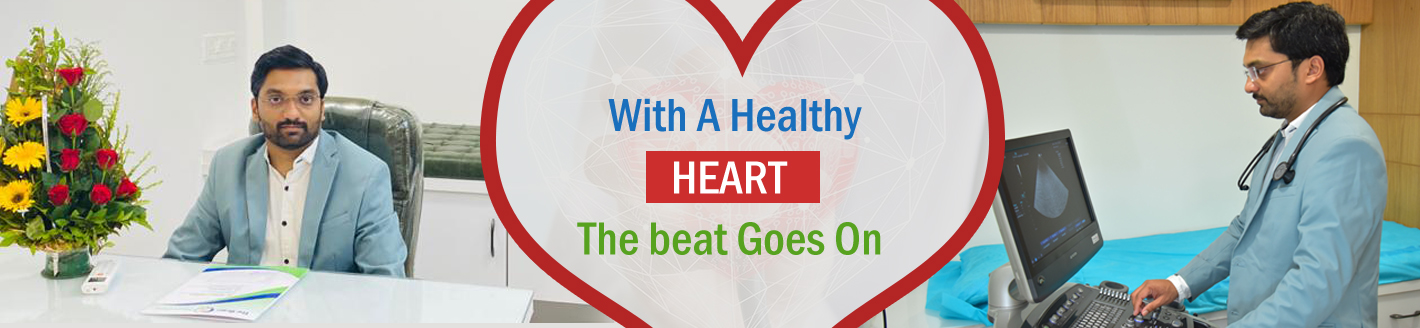
ABOUT DR. SACHIN PATIL
Dr Sachin Patil is a renowned senior consultant & Interventional Cardiologist practising in the city of Nagpur, Maharashtra. He has experience of more than 15 years in the medical field. He has performed more than 10,000 + coronary angiography and more than 5000 + coronary angioplasty, 2000+ Pacemaker, 1000+ Mitral Vavotomy & Balloon Repairs. He is known for his precision, patient-first approach, and extensive expertise in a wide range of interventional cardiac procedures. His extensive hands-on experience in interventional procedures has made him a trusted name in the management of complex cardiac conditions. Dr. Sachin Patil continues to be at the forefront of cardiology, committed to delivering advanced, patient-centric care.
NOVA HEART HOSPITAL
Nova Heart Hospital is a leading super-specialty cardiac care center located in Nagpur, Maharashtra, dedicated to providing comprehensive, high-quality heart care under one roof. With a patient-first philosophy, cutting-edge technology, and a team of highly experienced cardiologists and cardiac surgeons, Nova Heart Hospital has earned a reputation as one of the region’s most trusted names in cardiovascular healthcare.
Symptoms and Conditions Requiring an ICD
A cardiology consultation may lead to the recommendation for an ICD if you are at risk of or have experienced a life-threatening heart rhythm. Key indicators and conditions include:
- Survival of a sudden cardiac arrest.
- Heart Failure Treatment: Individuals with significant heart failure are at a higher risk of dangerous arrhythmias.
- Genetic Heart Conditions: Certain inherited conditions can predispose a person to irregular heart rhythms.
- Prior Heart Attack: Extensive damage to the heart muscle from a heart attack can create electrical instability.
- Symptoms like recurrent fainting spells, severe dizziness, or Shortness of Breath that may be caused by a rapid heartbeat.
A heart check-up specialist will use diagnostic tools like an Electrocardiogram (ECG/EKG), Echocardiogram, and Stress testing to evaluate the need for an ICD.
Causes of Life-Threatening Arrhythmias
The need for an ICD stems from an electrical malfunction in the heart that can be triggered by various factors.
- Ventricular Tachycardia: This occurs when the lower chambers of the heart (ventricles) beat too fast, preventing them from filling properly with blood.
- Ventricular Fibrillation: This is a chaotic electrical rhythm in the ventricles, which causes the heart to quiver uselessly instead of pumping blood.
- Coronary Artery Disease: Blockages and damage from coronary artery disease, often a result of high High Blood Cholesterol Treatment and High Blood pressure Treatment, can lead to the electrical instability that causes these arrhythmias.
- Cardiomyopathy: Diseases that cause the heart muscle to become thick, rigid, or stretched can also lead to electrical problems.
The ICD Implantation Procedure
ICD Implantation is a routine procedure performed by a cardiovascular medicine doctor in a Best Heart Hospital or a specialized Cardiology Clinic. It is typically done under local anesthesia and light sedation.
- Preparation: A small incision is made, usually just below the collarbone.
- Lead Placement: One or more insulated wires, or leads, are guided through a vein into the heart’s chambers. The cardiologist uses X-ray imaging to ensure precise placement.
- Device Connection: The leads are connected to the ICD, which is about the size of a stopwatch.
- Implantation: The device is placed under the skin or muscle.
- Testing: The heart specialist tests the device to ensure it can successfully detect and correct dangerous rhythms.
- Conclusion: The incision is closed. The patient is monitored briefly before being discharged.
This procedure offers a form of Emergency heart care that is always on guard, ready to deliver a life-saving shock when needed.
FAQs on ICD Implantation
Q1: What is the difference between an ICD and a pacemaker?
A1: A pacemaker is primarily for slow heartbeats, while an ICD is for dangerously fast ones. An ICD can also function as a pacemaker, but a pacemaker cannot deliver a defibrillating shock.
Q2: How will I know if my ICD delivers a shock?
A2: A shock from an ICD is often described as a jolt or a kick in the chest. While it can be startling, it is a sign that the device has successfully corrected a life-threatening rhythm.
Q3: Does an ICD have to be replaced?
A3: Yes, the device’s battery typically lasts for about 5-10 years. Your heart doctor will monitor the battery’s life during routine check-ups and schedule a replacement procedure when necessary.
Q4: Will I feel a shock if I’m not in a life-threatening rhythm?
A4: The ICD is programmed to recognize specific dangerous rhythms, so a shock is only delivered when a life-threatening arrhythmia is detected.
Q5: Can I get an Online cardiologist consultation for my ICD?
A5: While an online cardiologist consultation can be used for follow-up discussions and monitoring, initial diagnosis and the implantation procedure itself require an in-person visit to a Cardiology Clinic or hospital.
Dr. Sachin Patil: A Senior Consultant & Interventional Cardiologist in Nagpur
For residents of Nagpur, Dr. Sachin Patil, a top heart doctor with MBBS, MD (Medicine), and DM (Cardiology) qualifications, is an expert in advanced cardiac care. As a highly skilled senior consultant & interventional cardiologist, he specializes in complex procedures including ICD Implantation, Pacemaker Implantation, Angiography, and Angioplasty. Dr. Patil provides comprehensive cardiology consultation and heart disease treatment, with a focus on delivering affordable heart care and managing critical conditions like Heart Failure Treatment and Heart Valve Disease Treatment.