
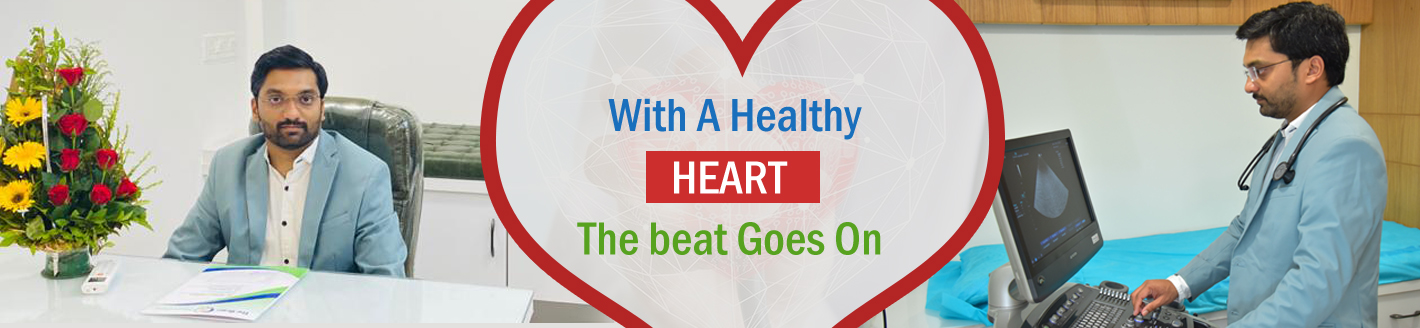
Heart diseases are among the leading causes of health complications worldwide. Modern lifestyles, unhealthy dietary habits, stress, diabetes, high blood pressure, and high cholesterol levels significantly increase the risk of coronary artery blockage. When arteries supplying blood to the heart become narrowed or blocked, it can lead to serious conditions such as chest pain, heart attack, and heart failure. In such situations, Advanced Coronary Angioplasty is a highly effective and life-saving procedure that restores normal blood flow to the heart.
In Nagpur, patients seeking expert cardiac care can consult Dr. Sachin Patil, a highly experienced Cardiologist, Cardiology Specialist, and Heart Doctor. With expertise in angiography, angioplasty, pacemaker implantation, heart attack treatment, cardiovascular medicine, and preventive cardiology, he provides comprehensive and advanced cardiac treatment to help patients achieve faster recovery and better heart health.
About Dr. Sachin Patil
Dr. Sachin Patil, MBBS, MD (Medicine), DM (Cardiology), is a highly respected Senior Consultant and Interventional Cardiologist practicing in Nagpur. Known as one of the top heart doctors and cardiology specialists in the region, he provides comprehensive cardiac care including angiography, advanced coronary angioplasty, pacemaker implantation, heart failure treatment, high blood pressure treatment, cholesterol management, diabetes care, and preventive cardiology. With extensive experience in diagnosing and treating complex cardiovascular diseases, Dr. Sachin Patil focuses on delivering accurate diagnosis, advanced treatment procedures, and affordable heart care to help patients maintain long-term heart health.
What is Coronary Angioplasty?
Coronary Angioplasty is a minimally invasive cardiac procedure used to open blocked or narrowed coronary arteries. In this procedure, a thin catheter is inserted through a blood vessel and guided to the affected artery in the heart. A small balloon attached to the catheter is inflated at the blockage site to widen the artery and restore proper blood circulation. In many cases, a small metal mesh tube called a stent is placed inside the artery to keep it open permanently.
- Helps restore normal blood flow to the heart
- Prevents severe heart damage during heart attack
- Relieves chest pain and improves breathing
- Ensures faster recovery compared to open-heart surgery
Common Symptoms of Blocked Heart Arteries
Blocked coronary arteries may develop gradually and often remain unnoticed during early stages. However, as the blockage becomes severe, patients may experience noticeable symptoms that require immediate consultation with a Heart Specialist or Cardiologist.
- Chest pain or pressure (Angina)
- Shortness of breath
- Pain or numbness in both arms
- Extreme fatigue or weakness
- Irregular heartbeat
- Dizziness or low blood pressure
- Sudden sweating and discomfort
If any of these symptoms occur frequently, it is essential to seek Cardiology Consultation immediately to prevent serious complications such as heart attack or heart failure.
Major Causes of Coronary Artery Blockage
Coronary artery blockage usually develops due to plaque buildup inside the arteries. Several lifestyle and medical factors contribute to this condition.
- High Blood Pressure (Hypertension)
- High Blood Cholesterol
- Diabetes
- Smoking or tobacco consumption
- Obesity and lack of physical activity
- Family history of heart disease
- Unhealthy diet high in saturated fats
Managing these risk factors through regular heart check-ups, preventive cardiology, and a healthy lifestyle plays a crucial role in preventing serious heart diseases.
Diagnosis and Cardiac Tests
To diagnose heart diseases accurately, cardiologists perform several advanced diagnostic tests to evaluate heart function and detect arterial blockages.
- Electrocardiogram (ECG/EKG)
- Echocardiogram
- Stress testing
- Cardiac catheterization
- Coronary Angiography
These tests help cardiologists determine the severity of artery blockage and decide whether angioplasty, medication, or other cardiac treatment is required.
Advanced Coronary Angioplasty Procedure
The angioplasty procedure is performed in a specialized cardiac catheterization laboratory by experienced interventional cardiologists.
- A catheter is inserted through the wrist or groin artery
- The catheter is carefully guided to the blocked coronary artery
- A balloon is inflated to widen the narrowed artery
- A stent is placed to keep the artery open
- Blood flow to the heart muscle is restored
This advanced technique ensures minimal pain, shorter hospital stay, and faster heart recovery compared to traditional surgical procedures.
Benefits of Advanced Coronary Angioplasty
- Minimally invasive cardiac treatment
- Quick recovery and shorter hospitalization
- Immediate relief from chest pain
- Improved blood circulation to the heart
- Reduced risk of future heart attacks
Frequently Asked Questions (FAQs)
- When is coronary angioplasty required?
Angioplasty is recommended when coronary arteries become significantly narrowed or blocked, causing chest pain, heart attack, or reduced blood supply to the heart.
- Is angioplasty a safe procedure?
Yes, angioplasty is considered a safe and effective cardiac procedure when performed by an experienced interventional cardiologist.
- How long does recovery take after angioplasty?
Most patients recover within a few days and can return to normal activities relatively quickly compared to major heart surgery.
- Can blocked arteries occur again after angioplasty?
Yes, but the risk can be minimized with medications, lifestyle changes, and regular follow-up with a cardiologist.
- How can heart diseases be prevented?
Maintaining a healthy diet, exercising regularly, controlling blood pressure, managing diabetes, and undergoing regular heart check-ups can help prevent cardiovascular diseases.
If you are experiencing symptoms such as chest pain, breathlessness, or arm numbness, it is important to consult a cardiology specialist immediately. Early diagnosis and advanced treatment like coronary angioplasty can save lives and ensure faster heart recovery.