
Heart rhythm disorders and slow heart rate conditions can significantly affect the normal functioning of the heart. When the heart beats too slowly or irregularly, it may not pump enough blood to meet the body’s needs. This condition can cause dizziness, fatigue, chest discomfort, and even life-threatening complications. In such situations, Permanent Pacemaker Implantation is a highly effective treatment that helps regulate heart rhythm and restore normal cardiac function.
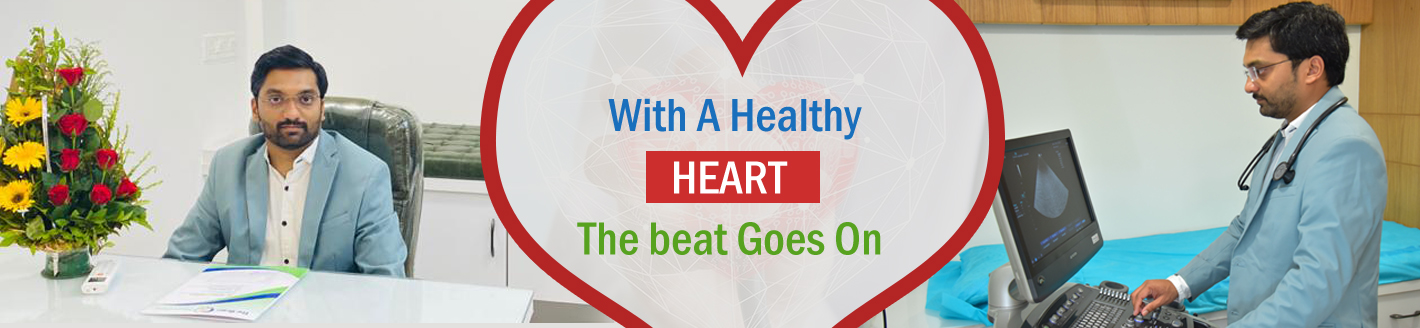
In Nagpur, patients looking for expert cardiac care and advanced heart treatment can consult Dr. Sachin Patil, a renowned Cardiologist, Heart Specialist, and Cardiovascular Medicine Doctor. With expertise in angiography, angioplasty, pacemaker implantation, heart attack treatment, preventive cardiology, and comprehensive heart disease treatment, he provides modern and reliable cardiac solutions for patients suffering from rhythm disorders and slow heart rate.
About Dr. Sachin Patil
Dr. Sachin Patil, MBBS, MD (Medicine), DM (Cardiology), is a highly respected Senior Consultant and Interventional Cardiologist practicing in Nagpur. Recognized as a top heart doctor and cardiology specialist, he provides comprehensive cardiac care including angiography, angioplasty, permanent pacemaker implantation, heart attack treatment, heart failure management, high blood pressure treatment, high blood cholesterol treatment, diabetes management, preventive cardiology, and advanced cardiovascular medicine. With extensive clinical experience and expertise in modern cardiac procedures, Dr. Sachin Patil is committed to delivering accurate diagnosis, advanced treatment, and affordable heart care through his cardiology clinic and associated best heart hospital facilities in Nagpur.
What is a Permanent Pacemaker?
A permanent pacemaker is a small medical device that is implanted under the skin of the chest to regulate abnormal heart rhythms. It sends electrical impulses to the heart muscles, ensuring that the heart beats at a proper rate and rhythm. Pacemakers are commonly recommended for patients suffering from bradycardia (slow heart rate), heart rhythm disorders, and certain heart block conditions.
- Helps maintain a normal heart rate
- Improves blood circulation to vital organs
- Prevents fainting, dizziness, and fatigue
- Reduces the risk of serious cardiac complications
Symptoms of Slow Heart Rate and Rhythm Disorders
Patients experiencing abnormal heart rhythms may notice various symptoms that indicate the need for evaluation by a cardiology specialist or heart doctor. Early diagnosis through cardiology consultation and cardiac tests can prevent serious complications.
- Persistent fatigue and weakness
- Dizziness or frequent fainting episodes
- Shortness of breath
- Chest pain or chest discomfort
- Irregular heartbeat or palpitations
- Pain or numbness in both arms
- Low blood pressure
- Difficulty performing physical activities
If these symptoms occur frequently, patients should seek immediate consultation with a top heart doctor or heart check-up specialist to evaluate heart rhythm and overall cardiovascular health.
Causes of Slow Heart Rate and Heart Rhythm Disorders
Several medical and lifestyle factors can lead to abnormal heart rhythm and slow heart rate conditions that require advanced cardiac treatment.
- Age-related degeneration of the heart’s electrical system
- Heart attack or coronary artery disease
- Heart failure
- Heart valve disease
- High blood pressure
- High blood cholesterol
- Diabetes
- Certain medications affecting heart rhythm
Identifying the underlying cause through proper cardiac evaluation is essential before recommending treatments such as pacemaker implantation.
Diagnostic Tests for Heart Rhythm Disorders
Cardiologists perform several advanced diagnostic procedures to analyze heart rhythm and detect underlying cardiac conditions.
- Electrocardiogram (ECG / EKG)
- Echocardiogram
- Stress testing
- Cardiac catheterization
- Holter monitoring
- Coronary angiography
These diagnostic tests help determine whether a patient requires medication, lifestyle management, or advanced treatments like pacemaker implantation.
Permanent Pacemaker Implantation Procedure
The pacemaker implantation procedure is performed by experienced interventional cardiologists in a specialized cardiac catheterization laboratory.
- Local anesthesia is administered for patient comfort
- A small incision is made near the collarbone
- Pacemaker leads are inserted through a vein and guided to the heart
- The pacemaker device is placed under the skin of the chest
- The device is programmed to regulate heart rhythm
This minimally invasive procedure generally requires a short hospital stay and allows patients to return to normal activities within a few days.
Benefits of Permanent Pacemaker Implantation
- Restores normal heart rhythm
- Prevents fainting and dizziness
- Improves overall quality of life
- Enhances blood circulation throughout the body
- Reduces risk of serious heart complications
Frequently Asked Questions (FAQs)
- When is a permanent pacemaker required?
A pacemaker is recommended when the heart beats too slowly or irregularly and cannot maintain adequate blood circulation.
- Is pacemaker implantation safe?
Yes, pacemaker implantation is a safe and commonly performed procedure when done by an experienced cardiologist.
- How long does a pacemaker last?
Most pacemakers last between 8 to 12 years depending on usage and battery life.
- Can patients live a normal life with a pacemaker?
Yes, most patients return to normal daily activities after recovery and experience improved quality of life.
- When should someone consult a cardiologist?
If you experience chest pain, shortness of breath, dizziness, or irregular heartbeat, you should seek immediate consultation with a cardiology specialist.
If you experience symptoms such as slow heart rate, chest pain, dizziness, or breathlessness, it is essential to consult a cardiology specialist or heart doctor. Early diagnosis and advanced treatment like permanent pacemaker implantation can significantly improve heart health and prevent serious complications.